
Understanding the Importance of Baby Proofing
Disclaimer: This post contains affiliate links. If you purchase them, I may earn a small commission at no extra cost to you.
Baby proofing your home is a critical step in ensuring the safety and well-being of your child. From the moment a baby begins to crawl, the home environment transforms into a landscape fraught with potential hazards. Common household items, such as sharp edges on furniture, electrical outlets, and household chemicals, can pose significant risks. Understanding the importance of baby proofing helps parents grasp the necessity of proactive measures in preventing injuries that can arise from these everyday dangers.

S-SQUARE Baby Helmet for Crawling Walking Baby
Head Protector – Head Protection for Infant Baby
No Bumps and Soft Cushion Safety Headguard I
Toddler Inflatable Helmets
Click To Buy on Amazon
Once your child starts walking, safety needs change quickly. You may also like our guide on Toddler Safety Tips.
As infants and toddlers explore their surroundings, their natural curiosity often leads them to investigate items and areas that may not be safe. According to statistics, accidental injuries remain one of the leading causes of childhood fatalities. Ensuring a safe environment can significantly reduce the likelihood of incidents that could lead to serious harm. Baby proofing encompasses a range of practices, including securing heavy furniture, using safety gates, and covering sharp corners. These simple yet effective adjustments create a secure space where children can explore freely without undue risk.
Moreover, baby proofing is not solely about the physical alterations within the home; it also involves educating caregivers about the potential dangers that exist. Knowledge of common hazards—such as choking risks from small objects, falls from stairs, or the dangers associated with unsecured cords—can augment safety measures and enhance vigilance. Understanding these risks fosters a culture of safety within the household, ensuring that all caregivers are aligned in their efforts to create a protective environment for the child.
Ultimately, the importance of baby proofing cannot be overstated. By taking the necessary precautions, parents and caregivers set the foundation for a nurturing space that allows children to develop and learn without the constant threat of injury. Investing time and effort into baby proofing not only gives peace of mind but also empowers children to safely explore their growing world.
Identifying Potential Hazards in Your Home
As a new parent, ensuring the safety of your child often begins with a meticulous examination of your home environment. Conducting a thorough inspection allows you to identify potential hazards that may pose risks to your baby’s well-being. This systematic review should focus on key areas of your living space, particularly the kitchen, living room, bathroom, and nursery, where various dangers may be present.
In the kitchen, be vigilant about sharp objects such as knives and scissors, which should be stored out of reach. Additionally, ensure that heavy pots and pans are secured in lower cabinets to prevent accidental tip-overs. It is also crucial to examine the location of toxic substances, like cleaning agents and other hazardous materials, ensuring they are stored in locked cabinets to prevent access.
Moving to the living room, check for objects that could potentially become choking hazards, including toys with small parts or loose items on the floor. Additionally, sharp edges of furniture can pose a risk; consider using corner protectors or opting for furniture with rounded edges. Slippery surfaces, such as area rugs, should be secured with non-slip backing to eliminate tripping hazards.
The bathroom is another area that warrants careful inspection. Here, be sure to address slip hazards by utilising non-slip mats around the tub and on the floor. Ensure that medications and toiletries are stored securely away from children’s reach, and consider installing childproof latches on bathroom cabinets.
Finally, in the nursery, make it a point to check for hazards such as cords from blinds or curtains that could pose strangulation risks. Crib safety is paramount; ensure that the crib is free from soft bedding, loose toys, and any items that could obstruct a child’s movement.
By attentively identifying and addressing these potential hazards, you can create a safer home environment that promotes your child’s well-being and peace of mind for you as a parent.
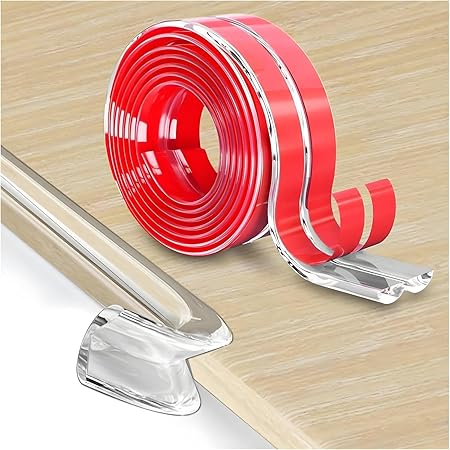
VETMOC 3 Meter Silicone Edge Protector Strip –
Baby Proofing Edge Guards for Tables, Furniture,
Desks, Beds & Walls – Child Safety Corner & Edge
Protectors for Baby, Non-Toxic, Durable Bumper Guards
Click To Buy on Amazon
15 Essential Baby Proofing Measures
Baby proofing your home is a crucial step in ensuring the safety of your little one. By taking proactive measures, you can greatly reduce the risk of accidents in your living space. Below are 15 essential steps every parent should consider when preparing their home for a baby.
1. Install Safety Gates: Place safety gates at stairs and doorways to keep your child confined to a specific area, ensuring they do not wander into potentially dangerous spaces.
2. Secure Furniture to the Wall: As soon as babies start pulling themselves up, they may hold onto unstable furniture. Anchor bookshelves, dressers, and TVs to the wall early to prevent tipping accidents.
3. Use Outlet Covers: Babies may poke tiny fingers into outlets or tug on cords. Cover all unused sockets with safety plugs and keep cords tucked away.
4. Store Harmful Items Out of Reach: Babies often explore by crawling and mouthing whatever they find. Lock away harmful substances such as cleaning agents, detergents, and medicines in cabinets or on high shelves, out of the baby’s reach. Use cabinet locks so they can’t accidentally touch or taste anything toxic.
5. Remove Sharp Objects: Cushion furniture corners with protectors and store scissors, knives, and other sharp tools in secure drawers.
6. Cover Sharp Corners: Use corner guards to cover the sharp edges of furniture to reduce the risk of injuries from accidental bumps.
7. Choose Non-Toxic Materials: Opt for non-toxic paints, toys, and household products to minimise risks from accidental mouthing or skin contact.
8. Secure Windows: Install window guards or safety locks so windows cannot be fully opened.
9. Secure Rugs and Carpets: Crawlers may slip on loose rugs or smooth floors. Secure rugs with non-slip backing and install stair gates to prevent accidental falls.
10. Baby-Proof Stairs: Along with safety gates, add non-slip treads to each step to reduce fall risks..
11. Keep Choking Hazards Away: Infants grab and mouth small items without understanding the danger. Regularly check floors and low surfaces for coins, beads, or small toy parts that older children may leave behind.
12. Establish a Safe Play Area: Design a soft, gated play area where your baby can crawl freely. Add age-appropriate toys and floor mats to minimise injury.
These precautions are especially important now, but once your child begins walking independently, you’ll need additional safeguards. See our Toddler Safety Checklist.
13. Protect Against Burns: Install stove knob covers and ensure hot cookware is out of reach to protect young children from burns. Place guards around heaters or fireplaces.
14. Bathroom Safety: Always keep the bathroom door closed, and use toilet locks. Keep harmful items such as razors, shampoos, and medicines out of reach.
15. Educate Older Children: Teach older siblings about the importance of keeping small toys and items out of reach of younger siblings to prevent accidents.
By diligently following these essential baby proofing measures, parents can create a safer household and significantly reduce the likelihood of accidents involving their children.
Maintaining a Safe Environment as Your Baby Grows
As your baby transitions from a helpless infant to a mobile toddler, the dynamics of household safety evolve significantly. The initial baby-proofing measures that may have sufficed during the early months will likely require reassessment and adaptation as your child develops new skills. With increased mobility comes a heightened sense of curiosity, which can lead to potentially dangerous situations if the home environment is not properly secured.
Keeping a vigilant eye on your child’s progress is essential. As babies learn to crawl and eventually walk, their reach and opportunities for exploration expand dramatically. Items that were once beyond their grasp may suddenly become targets of interest. It is crucial for parents to regularly evaluate their baby-proofing strategies to accommodate these changes in mobility. For example, securing furniture to walls becomes critical to prevent tipping hazards as toddlers begin to climb.
In addition to anchoring furniture, safety gates can be invaluable for defining safe zones within the home. These gates are particularly useful when trying to restrict access to staircases or other hazardous areas. Similarly, as children grow, they may become capable of opening cabinets and drawers. Installing child-proof latches can be a simple yet effective way to safeguard potentially dangerous household items, including cleaning supplies and sharp utensils.
Parents should also consider the evolving interests of their children. Toddlers are naturally inquisitive, and ensuring that small items are kept out of reach is vital to prevent choking hazards. Regularly monitoring the play area for new risks is a sensible practice that can be easily incorporated into daily routines.
It is essential to remain proactive in maintaining a safe home environment throughout each developmental stage. By continuously updating and adapting baby-proofing measures, parents can create a secure space that nurtures exploration while minimising risks. By fostering an environment of safety, you allow your child the freedom to learn and grow confidently.